
Are Squirrels Considered Rodents?
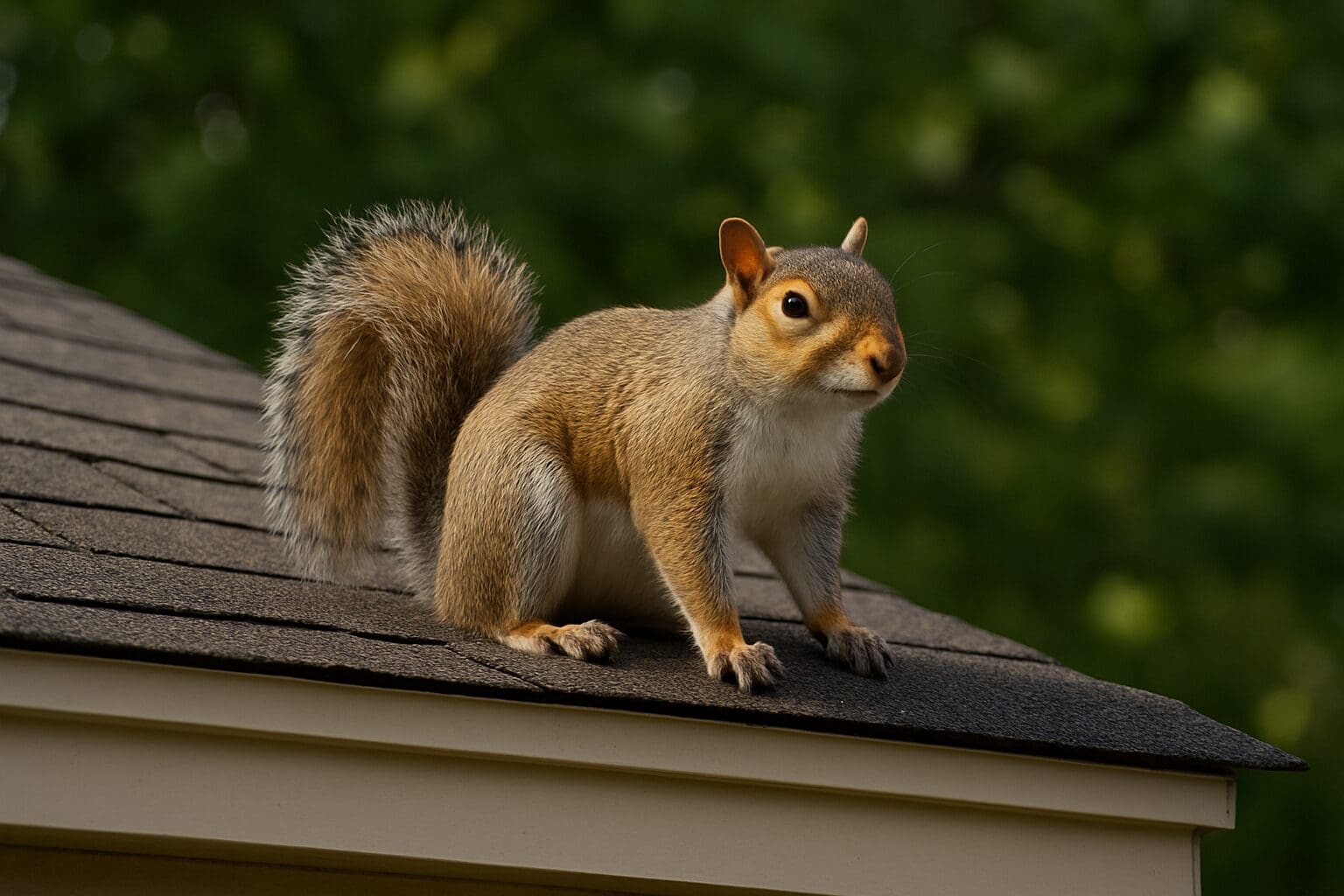
Yes — a squirrel is a rodent. Every species of squirrel belongs to the Rodentia order, making them direct members of the rodent family alongside rats, mice, and other gnawing mammals. Despite their bushy tails and seemingly harmless behavior, squirrels share all of the defining characteristics that classify an animal as a rodent. If you’re wondering whether squirrels are considered rodents, the scientific answer is crystal clear: squirrels are rodents.
Squirrels Are Part of the Rodent Family
Squirrels are scientifically classified as:
- Kingdom: Animalia
- Phylum: Chordata
- Class: Mammalia
- Order: Rodentia
- Family: Sciuridae
This means squirrels belong to the Rodentia order — the same biological category that includes rats, mice, beavers, porcupines, and many others. The Sciuridae family specifically covers tree squirrels, ground squirrels, flying squirrels, chipmunks, marmots, and prairie dogs.
The primary feature that places squirrels in the rodent family is their continuously growing incisors. Like other rodents, squirrels have one pair of sharp upper and lower incisors that never stop growing throughout their lives. These teeth require constant gnawing to keep their growth in check, which is a core trait shared by all rodents.
The Dental Structure That Confirms Squirrels Are Rodents
If you need proof that squirrels are classified as rodents, start with their teeth. All rodents share the same dental blueprint:
- One pair of continuously growing incisors in both the upper and lower jaws.
- A diastema — the gap behind the incisors, where there are no canines.
- Premolars and molars for grinding food.
Squirrels’ incisors feature hard enamel on the front and softer dentin on the back, creating a self-sharpening mechanism each time they gnaw. Their teeth are rootless, open-ended, and can grow up to six inches per year if left unchecked. This is why squirrels must chew constantly — a trait that often results in significant property damage when squirrels chew through roofing, soffits, fascia boards, insulation, and even electrical wiring.
Characteristics and Behaviors of Squirrels as Rodents
Squirrels are rodents not only because of their teeth but also because of their body structure and behavior. Here are the characteristics that make squirrels rodents:
- Body Shape: Small to medium-sized rodents with strong limbs and claws for climbing.
- Size: Most squirrels weigh between 400 to 700 grams. Some species, like the red squirrel or giant flying squirrel, fall outside this range.
- Diet: Primarily herbivorous, feeding on acorns and tree nuts, seeds, fruits, and sometimes bird eggs.
- Activity Pattern: Squirrels are active during the day (diurnal), unlike many other rodents such as rats and mice.
- Nesting Behavior: Squirrels create large, elaborate nests (called dreys) in trees or attics using leaves, twigs, and insulation material.
These characteristics and behaviors reflect their adaptation as highly specialized rodents. Whether they’re ground squirrels, flying squirrels, or tree squirrels, they share the same biological and behavioral blueprint as other rodents.
Squirrels vs Rats: Both Rodents, But Very Different
Many homeowners confuse squirrels and rats because they both invade homes and chew destructively. However, there are significant differences:
| Feature | Squirrels | Rats |
|---|---|---|
| Family | Sciuridae | Muridae |
| Size | 8–12 inches (plus bushy tail) | 9–11 inches (thin, scaly tail) |
| Tail | Thick, fully furred, bushy | Thin, hairless, scaly |
| Activity | Active during the day | Active at night |
| Diet | Nuts, seeds, fruits | Omnivorous (anything) |
| Nests | Leafy nests in trees or attics | Hidden nests in walls and basements |
| Reproduction | 1-2 litters per year, 4-6 young | Up to 6 litters per year, 5-12 young |
Both squirrels and rats are rodents, but they belong to different branches of the rodent family tree. While their behaviors and appearances vary greatly, their shared rodent classification remains the same due to their continuously growing incisors and gnawing behavior.
Why Squirrels Are Considered Pests
Squirrels are often considered pests because of the damage they can cause:
- Property Damage: Squirrels chew their way through roof tiles and walls, fascia boards, soffits, and attic insulation to create nests.
- Electrical Fires: Their habit of chewing through wires causes thousands of house fires each year.
- Health Hazards: Squirrels can carry parasites, fleas, ticks, and diseases like salmonella and leptospirosis.
- Squirrel Droppings: Their waste can contaminate insulation, requiring expensive professional cleaning or replacement.
Homeowners often hear squirrels running around in basements, attics, or walls during the day, which is a clear sign of infestation. Professional pest control is often necessary to eliminate infestations and prevent costly repairs.
Different Types of Squirrels All Share the Rodent Classification
While there are many types of squirrels, they are all rodents:
- Tree Squirrels: These include gray squirrels, fox squirrels, and red squirrels. They live in trees, build nests high up, and have long bushy tails for balance.
- Ground Squirrels: Prairie dogs, marmots, and chipmunks belong to this group. They burrow into the ground and hibernate during cold months.
- Flying Squirrels: Despite their name, they glide rather than fly. They have large eyes for nocturnal activity and skin flaps called patagia that help them glide between trees.
Whether it’s a red squirrel climbing your bird feeder or a ground squirrel burrowing under your property, every squirrel species falls squarely within the rodent category.
Identifying a Squirrel Infestation
Here’s how to identify a squirrel problem:
- Noise: Hearing scratching or scampering during the day indicates squirrels (rats are typically active at night).
- Droppings: Squirrel droppings are about 0.5 inches long and oblong, larger than rat droppings.
- Entry Holes: Squirrels chew 4-inch entry holes; rats only need gaps as small as 0.5 inches.
- Nesting Material: Squirrels bring in leaves, twigs, and insulation for nesting.
- Visual Confirmation: Spotting squirrels climbing trees or entering your attic confirms their presence.
Pest Control Options for Squirrels
Because squirrels can cause serious property damage, professional squirrel control is often required. Squirrel control services may include:
- Humane Trapping: Live cage traps baited with nuts or fruit.
- Exclusion Work: Sealing entry points with metal flashing, hardware cloth, and chimney caps.
- Cleanup: Removing squirrel droppings, contaminated insulation, and sanitizing affected areas.
- Prevention: Regular inspections, trimming tree branches away from the roof, installing squirrel-proof bird feeders, and eliminating food sources.
DIY methods often fail because squirrels are known for their persistence, agility, and intelligence.
Prevention Is the Best Solution
Keeping squirrels away requires proactive measures:
- Trim Trees: Keep branches 10 feet away from structures.
- Seal Gaps: Close all openings around vents, chimneys, and soffits.
- Food Sources: Avoid leaving pet food, birdseed, or garbage outdoors.
- Professional Inspections: Schedule routine inspections to catch vulnerabilities early.
Since insurance rarely covers rodent damage, prevention can save thousands in repair costs.
Final Answer: Squirrels Are Rodents
To summarize once more for absolute clarity:
Squirrels are rodents. They belong to the Rodentia order, share the hallmark characteristics of rodents (continuously growing incisors, gnawing behavior, and distinct dental structure), and are scientifically classified as part of the Sciuridae family within the rodent category.
Despite their differences from rats or mice in behavior and appearance, squirrels are rodents like rats, sharing a common evolutionary path. When it comes to property damage and pest control, squirrels pose many of the same challenges as other rodent species and should be managed accordingly.


