
Can Birds Smell? Facts About Avian Senses
Most people think birds can’t smell anything at all. This widespread belief has persisted for decades, but it’s actually wrong.
Birds do have a sense of smell, though it varies dramatically between species. Some birds have practically no ability to detect odors, while others rely heavily on their sense of smell for survival. The truth is more complex than the simple “yes” or “no” answer most people expect.
How Bird Smell Actually Works
Birds detect odors through their nostrils (called nares), which connect to an organ called the olfactory epithelium. This tissue contains smell receptors, just like in mammals. The size and development of this organ varies enormously between different bird species.
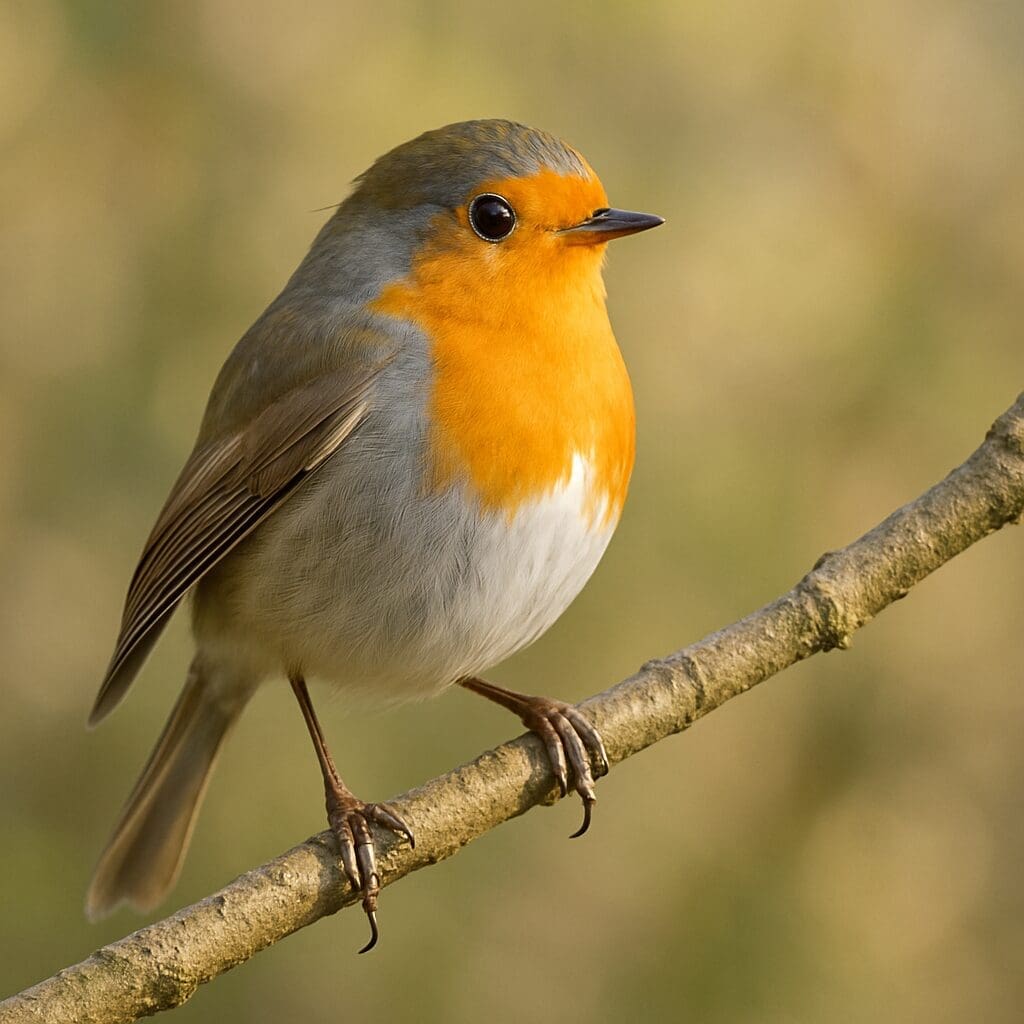
Most songbirds have relatively small olfactory bulbs in their brains. These are the structures that process smell information. A robin’s olfactory bulb makes up less than 1% of its total brain volume.
But here’s where it gets interesting. Some birds have developed extraordinary smelling abilities that put most mammals to shame.
Which Birds Can Actually Smell
Seabirds: The Smell Champions
Seabirds like petrels and albatrosses have incredible noses. These ocean wanderers can detect the scent of krill and fish from miles away. Their olfactory bulbs take up 10-15% of their brain space (compared to that tiny 1% in songbirds).
Petrels actually follow scent trails across the ocean to find food. They can smell dimethyl sulfide, a compound released by phytoplankton, which indicates good fishing areas.
Vultures: Nature’s Cleanup Crew
Turkey vultures are probably the most famous smellers in the bird world. They can detect the scent of rotting meat from over a mile away. Their sense of smell is so reliable that gas companies sometimes watch for circling vultures to find gas leaks (since gas companies add a smell similar to decay to natural gas).
Kiwis: The Unusual Exception
Kiwis from New Zealand have nostrils at the tip of their beaks, unlike most birds. They use smell to find worms and insects in the soil. Their olfactory bulbs are proportionally larger than almost any other bird species.
What About Common Backyard Birds?
Most songbirds, including robins, cardinals, and finches, have limited smelling ability. They primarily rely on vision and hearing to find food and navigate their world.
Chickens and other poultry can smell to some degree, but they don’t depend on it much. Parrots have a weak sense of smell compared to mammals, though they can detect some strong odors.
Can Birds Smell Bird Seed?
Birds typically cannot smell bird seed from a distance. This might surprise people who wonder how birds find their feeders so quickly.
Instead, birds locate bird feeders through:
- Visual cues (seeing the feeder or other birds)
- Memory (remembering where food sources are located)
- Following other birds to feeding areas
However, some birds might detect certain seeds once they’re very close. Sunflower seeds, for example, do have a slight scent that some birds might pick up within a few inches.
Can Birds Smell Food From Far Away?
Most birds cannot smell regular food from far distances. The exceptions are the specialist smellers we mentioned earlier.
A typical backyard bird needs to be within a few feet to detect food odors, if at all. Ravens and crows, despite being intelligent, rely mainly on sight to find food rather than smell.
The birds that can smell food from far away include:
- Vultures (carrion from 1+ miles)
- Seabirds (fish oils from several miles)
- Some raptors (limited ability with prey scents)
Can Birds Smell Humans?
Most birds cannot smell humans well enough for it to matter. Your scent probably won’t scare away the birds at your feeder or in your yard.
However, there are some exceptions. Game birds like quail and grouse might detect human scent if you’re very close or if the wind carries your smell directly to them. But even then, they’re more likely to notice your movement or sounds first.
Interestingly, birds of prey generally cannot smell humans effectively. Hawks, eagles, and owls hunt primarily by sight and hearing.
What Smells Can Kill Birds?
Several household odors are extremely dangerous to birds:
- Teflon and non-stick cookware fumes (deadly within minutes)
- Aerosol sprays and air fresheners
- Cleaning products with strong chemicals
- Perfumes and cologne (can cause respiratory distress)
- Scented candles and incense
- Nail polish and remover
Birds have extremely sensitive respiratory systems. Even small amounts of these fumes can kill a bird instantly because their lungs are designed for high-efficiency gas exchange.
The most dangerous is overheated Teflon, which releases polytetrafluoroethylene (PTFE) fumes. These fumes can kill a bird in under 10 minutes even in another room.
Can Birds Smell Water?
Birds generally cannot smell water from a distance. They find water sources through visual cues and memory, not scent.
However, some seabirds might detect the general “ocean smell” of salt water and marine life. Migrating birds use landmarks, magnetic fields, and celestial navigation to find water sources, not their noses.
The Science Behind Bird Smell
The reason most birds have poor smell is evolutionary. Birds evolved from dinosaurs, and their ancestors likely had better senses of smell. But as birds developed flight, their brains became optimized for processing visual and spatial information instead.
Flying requires incredible visual processing power. Birds can see ultraviolet light, detect tiny movements, and process visual information much faster than mammals. This came at the cost of smell development in most species.
The birds that kept their smell abilities are usually ground-dwelling species (like kiwis) or those that hunt over vast areas where visual cues aren’t enough (like seabirds).
Testing Bird Smell: What Research Shows
Scientists have tested bird smell abilities using various methods. They’ve found that smell sensitivity varies by over 1,000 times between different bird species.
Recent research using genetic analysis has revealed that many birds have more smell genes than previously thought. This suggests that even “non-smelling” birds might have some odor detection abilities that we haven’t fully understood yet.
Practical Implications for Bird Watchers
If you’re trying to attract birds to your yard, focus on visual elements rather than scents. Bright colors, moving water, and visible food sources work much better than aromatic attractions.
For bird photography, you don’t need to worry about masking your scent like you would with mammals. Birds are more concerned with your movements and sounds.
When feeding birds, freshness matters more than smell. Birds can often tell if seeds are rancid or moldy through taste and texture rather than smell.
The Bottom Line
Birds can smell, but most species don’t rely on it heavily. The exceptions are specialized groups like vultures, seabirds, and kiwis that have evolved enhanced smelling abilities for specific survival needs.
For the average backyard bird, vision and hearing are far more important than smell. This is why bird feeders work so well, bird houses should be placed where they’re visible, and why moving water attracts more birds than still water.
If you share your home with pet birds, be extremely careful about household odors and fumes. What seems like a mild scent to you can be lethal to a bird’s sensitive respiratory system.
The next time you watch birds in your yard, remember that they’re experiencing the world very differently than you are. They might not smell the flowers you’re enjoying, but they’re seeing colors and details that are completely invisible to human eyes.
Of course, when birds become a problem rather than a pleasure, professional bird removal in Houston focuses on these same behavioral patterns to safely relocate them.


